

THEATRE
Theatre
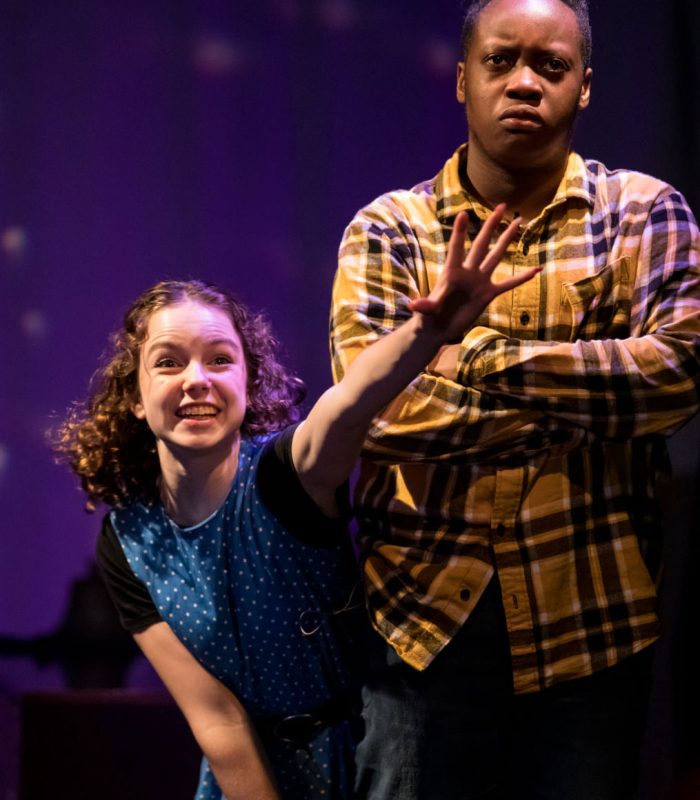
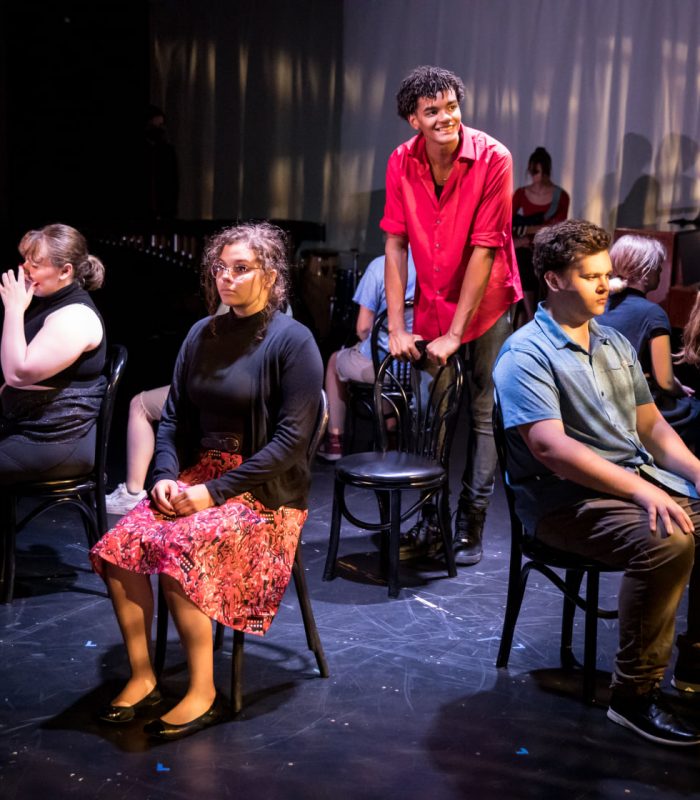
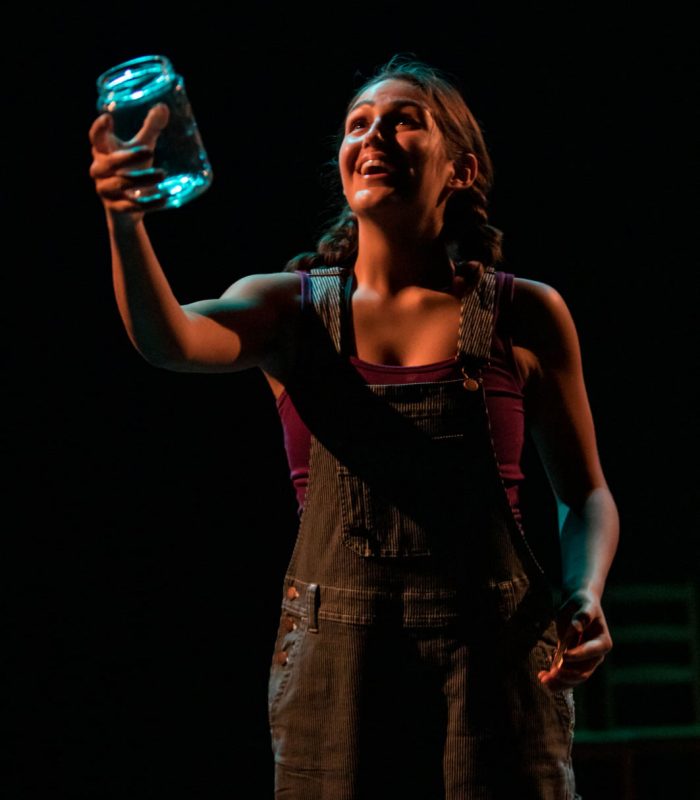
The Theatre Department at SPCPA provides rigorous actor training grounded in dedicated technical study, creative exploration, and performance. Students work with teaching artists from varied professional backgrounds and approaches, giving them experience with multiple acting techniques, theatrical traditions, and perspectives on the craft.
Training emphasizes the development of the whole actor: body, voice, imagination, text analysis, character, collaboration, and disciplined rehearsal practice. Students are challenged to take creative risks while developing the technical foundation, artistic independence, and professional habits necessary for advanced study and work in the theatre.
Acting Foundations
Students deepen their actor training through advanced work in voice, movement, text analysis, objectives, relationships, circumstances, physical and vocal choices, and moment to moment responsiveness. Students apply technique to increasingly complex scene work while developing greater independence and specificity as actors.
Shakespeare: Text and Performance
Students learn to approach Shakespeare as actors rather than simply as readers. Through dedicated study of language, rhythm, verse, rhetoric, imagery, character, and physical storytelling, students develop the technical tools necessary to make heightened text immediate, specific, and alive in performance.
Character Development Studio
Students investigate how actors build believable, specific characters through physicality, voice, observation, imagination, research, text analysis, objectives, relationships, and given circumstances. Studio based exploration encourages students to experiment with choices while developing characters that are grounded, detailed, and sustainable in performance.
Audition Prep
Students develop the practical and artistic skills necessary to enter an audition room prepared and confident. Training includes selecting and preparing material, monologue technique, cold reading, callbacks, self tapes, professional presentation, receiving adjustments, and making strong choices under pressure. Students leave the course with prepared material and a stronger understanding of professional audition expectations.
Students explore theatre from both sides of the rehearsal room. Through directing exercises, script analysis, staging, composition, communication, collaboration, and rehearsal leadership, students learn how directors shape theatrical storytelling. The new works component gives students opportunities to develop, stage, workshop, and respond to original material, making the classroom a laboratory for emerging actors, directors, and theatre makers.
Theatre Faculty
| Erik Abramsen Theatre | abramsene@spcpa.org |
| Cody Carlson Theatre | carlsonc@spcpa.org |